
 Norway
When it comes to breathtaking natural beauty, Norway ranks among the top places in the world. Known for its spectacular deep fjords, rugged mountains and valleys, idyllic coastal towns, and a unique Viking history, Norway is a must-see in Scandinavia. Comprised of over 50,000 islands from North to South, a portion of the country lies above the Arctic Circle. The north is home to the Sami people, nomadic reindeer herders known for their handicrafts.
Highlights
- Fjords
Norway’s fjords define much of the country’s geography and travel experience. These long, narrow waterways are surrounded by steep mountains, with waterfalls, farms, and small settlements scattered along the edges. Traveling through the fjords by boat or along coastal roads offers a clear view of how people have adapted to life in a dramatic natural setting.
- The Flåm Railway
The Flåm Railway runs between the mountain station of Myrdal and the village of Flåm on the fjord below. Along the route, the train passes valleys, rivers, and waterfalls, highlighting the scale and variety of western Norway’s landscapes. It is both a practical connection and a memorable way to experience the region without extensive travel time.
- Bergen & the Historic Coast
Bergen has served as a coastal trading center for centuries and continues to play an important role in western Norway. The preserved Bryggen wharf reflects its Hanseatic past, while the surrounding hills, fjords, and sea routes connect the city to nearby islands and coastal communities. It remains a natural gateway to the region’s fjord country.
- Lofoten Islands
Located above the Arctic Circle, the Lofoten Islands are known for their fishing heritage and striking coastal geography. Small villages sit along sheltered bays, backed by mountains that rise sharply from the water. The islands offer opportunities for hiking, kayaking, and learning about local traditions that remain closely tied to the sea.
- Oslo & Norwegian Culture
Oslo provides a deeper look at Norway’s cultural and historical foundations. Museums focus on Viking history, exploration, and maritime life, while modern architecture and public spaces shape the city’s waterfront. The combination of history, design, and everyday city life creates a strong contrast to Norway’s rural landscapes.
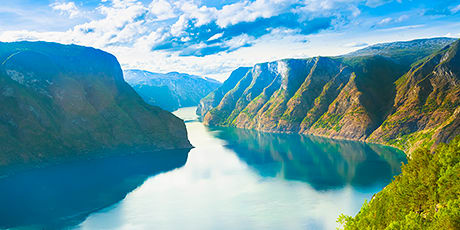 Norway’s fjords define much of the country’s geography and travel experience. These long, narrow waterways are surrounded by steep mountains, with waterfalls, farms, and small settlements scattered along the edges. Traveling through the fjords by boat or along coastal roads offers a clear view of how people have adapted to life in a dramatic natural setting.
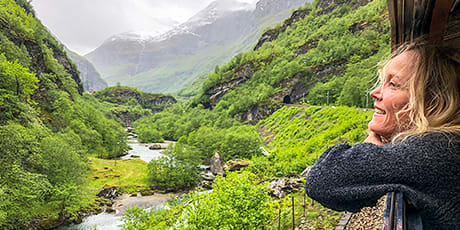 The Flåm Railway runs between the mountain station of Myrdal and the village of Flåm on the fjord below. Along the route, the train passes valleys, rivers, and waterfalls, highlighting the scale and variety of western Norway’s landscapes. It is both a practical connection and a memorable way to experience the region without extensive travel time.
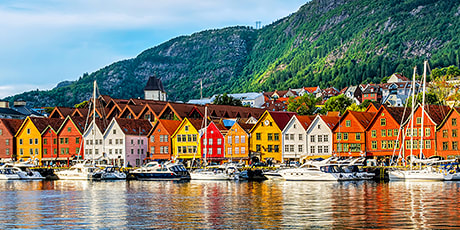 Bergen has served as a coastal trading center for centuries and continues to play an important role in western Norway. The preserved Bryggen wharf reflects its Hanseatic past, while the surrounding hills, fjords, and sea routes connect the city to nearby islands and coastal communities. It remains a natural gateway to the region’s fjord country.
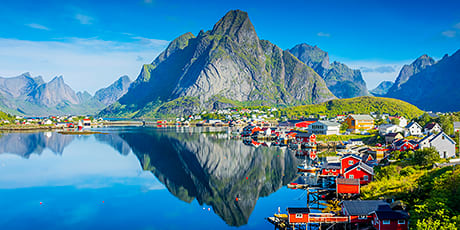 Located above the Arctic Circle, the Lofoten Islands are known for their fishing heritage and striking coastal geography. Small villages sit along sheltered bays, backed by mountains that rise sharply from the water. The islands offer opportunities for hiking, kayaking, and learning about local traditions that remain closely tied to the sea.
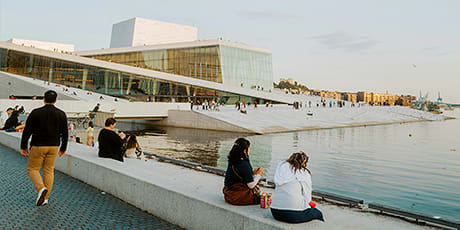 Oslo provides a deeper look at Norway’s cultural and historical foundations. Museums focus on Viking history, exploration, and maritime life, while modern architecture and public spaces shape the city’s waterfront. The combination of history, design, and everyday city life creates a strong contrast to Norway’s rural landscapes.
Fast Facts
Already booked on one of our packages to Norway? See everything you need to know before you go.
| Entry requirements | Please see our Entry Requirements page. |
| Money & Credit Cards | Always notify your bank prior to departure to avoid any problems using your credit or debit card while traveling. |
| Cell Phones & Internet | Want to take your cell phone, tablet or laptop, but not sure how to get cell service or wifi? Read up on using your cell phone abroad and the top 5 ways to get Internet abroad. |
| Did you know? |
|
Tours & Packages
- Destinations: Norway
- including closed packages